Managing the Hazard:
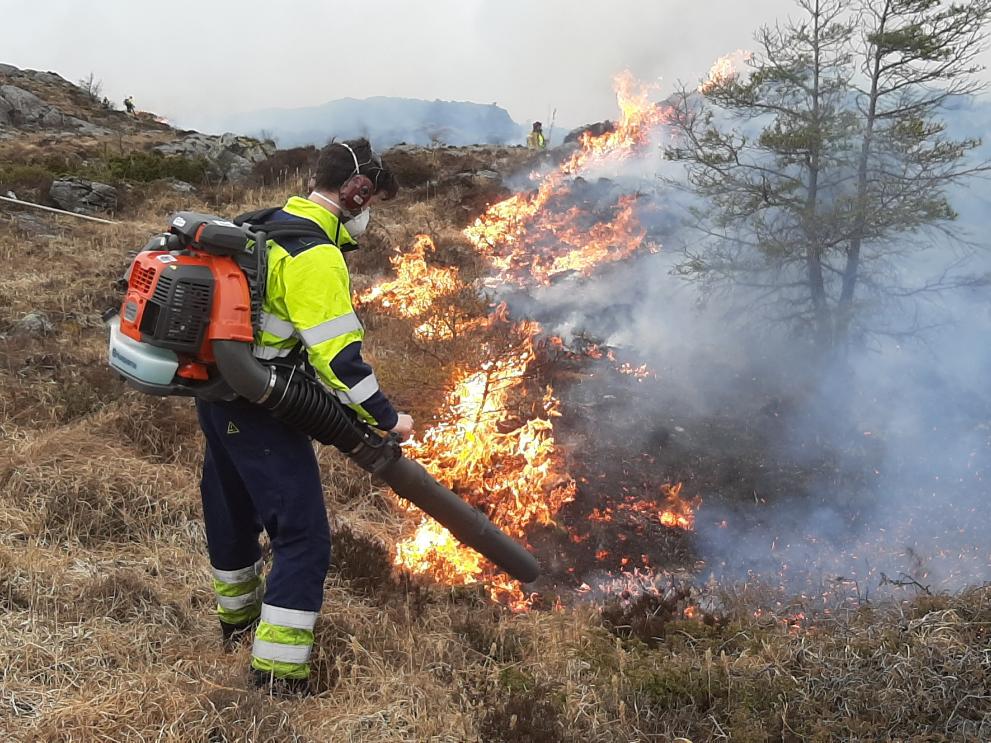
Fire mitigation strategies can significantly reduce wildfire risk. Prescribed burns, controlled fires set intentionally by land management agencies, mimic natural fire regimes and effectively reduce forest density, lessening the intensity of future wildfires (Safford et al., 2010). Mechanical fuel reduction techniques, such as thinning and chipping vegetation, can also decrease surface fuel loads, potentially lowering wildfire severity (Youngblood et al., 2018).Fortunately, various fire mitigation strategies can significantly reduce wildfire risk. Here are two key approaches:
Prescribed Burns:
These are controlled fires intentionally set by land management agencies. They mimic natural fire regimes and effectively reduce forest density. By eliminating undergrowth and accumulated debris, prescribed burns lessen the intensity of future wildfires. This proactive approach helps maintain healthy ecosystems and reduces the risk of catastrophic wildfires (Safford et al., 2010).
Mechanical Fuel Reduction:
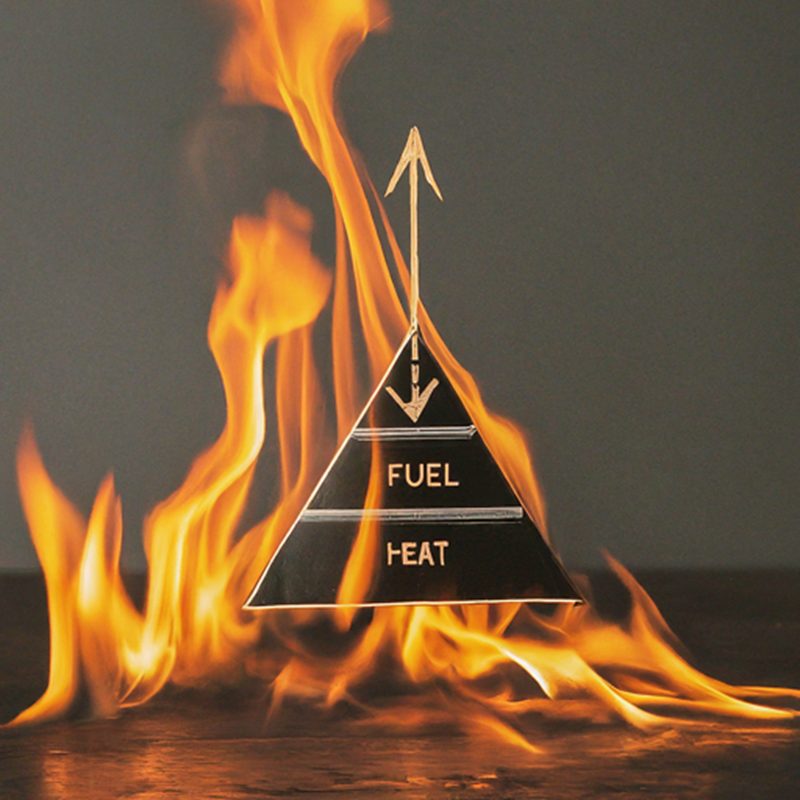
This technique involves physically removing or modifying vegetation to decrease surface fuel loads. Methods include thinning trees, removing brush, and chipping debris. Reducing surface fuels creates a less flammable environment, potentially lowering wildfire severity and making fire control efforts more manageable (Youngblood et al., 2018).
Intended Audience:
Tailor communication and outreach efforts to diverse community groups. This includes homeowners, businesses, and vulnerable populations who may require additional support in preparing for wildfires.
Recommendations:
- Develop comprehensive wildfire preparedness plans outlining response protocols, evacuation procedures, and resource allocation strategies.
- Collaborate with local fire departments and forestry agencies to implement effective fire mitigation projects, such as prescribed burns and fuel reduction initiatives.
- Launch public awareness campaigns to educate residents about wildfire risks and preparedness measures. Utilize various communication channels including social media, traditional media, and community events to reach a broad audience.
- Provide resources and support services to assist residents in creating defensible space and strengthening their homes against wildfires. McKelvey et al. (2016) highlight the economic consequences of wildfires, motivating residents to take preventative measures (e.g., creating defensible space) to protect their property.
- Leverage social media for emergency communication but emphasize the importance of relying on official sources for evacuation information, as highlighted by Covach et al. (2016).
Conclusion:
By understanding wildfire risks and implementing proactive mitigation strategies, emergency managers can significantly enhance community preparedness and response capabilities.