A Literature Review of Wildfire Hazards, Management Strategies, and Community Engagement.
This page provides emergency managers with a resource for understanding wildfire risks, historical trends, and effective mitigation strategies within your community.
Identifying the Hazard:
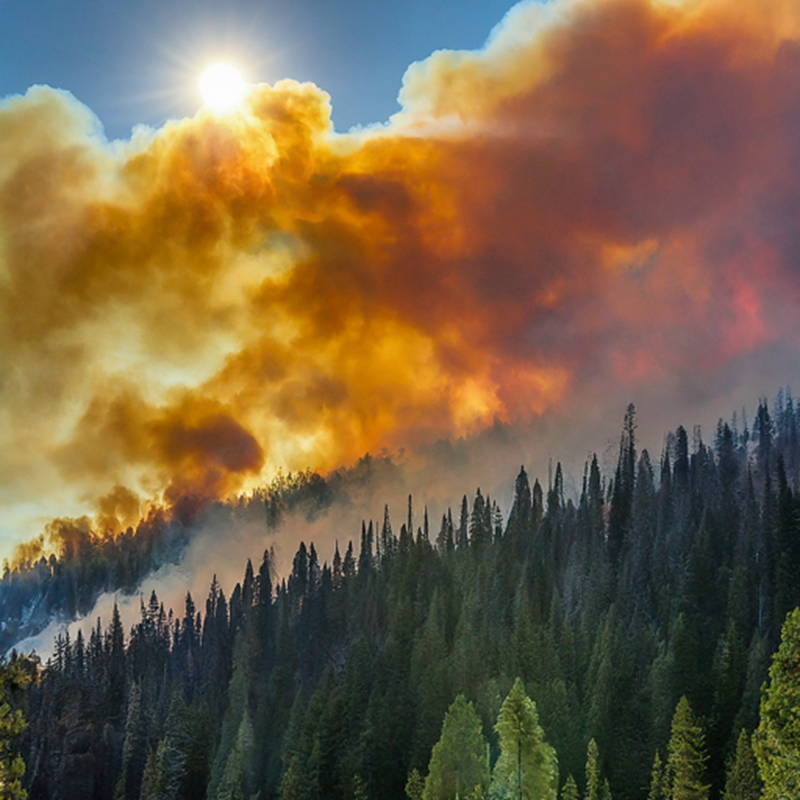
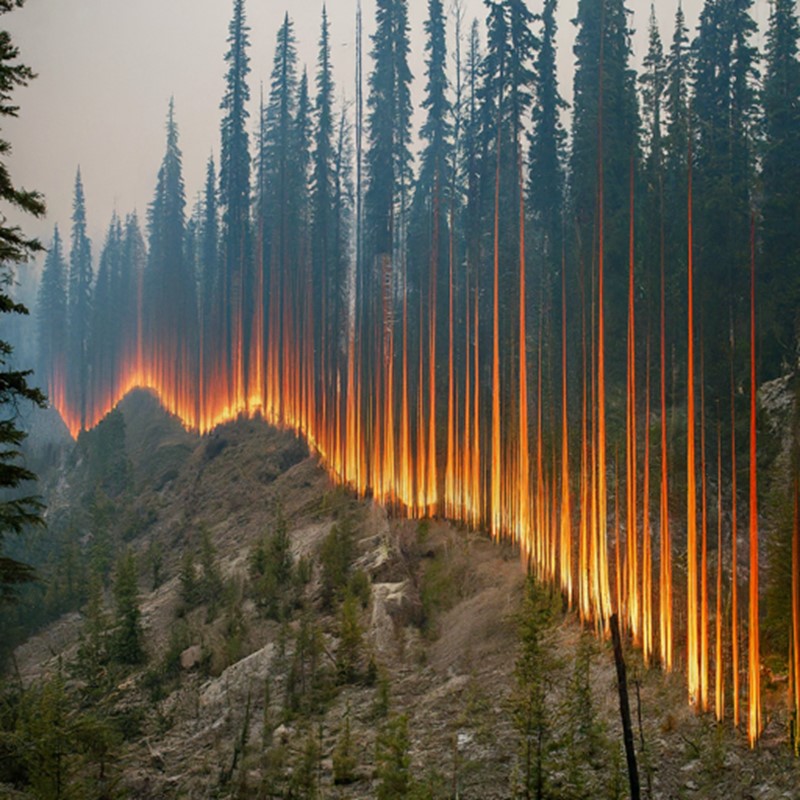
Wildfires are uncontrolled blazes that burn in vegetative environments. Caused by natural phenomena like lightning strikes or human activities such as unattended campfires, wildfires can rapidly spread and devastate entire landscapes. The severity of wildfires depends on various factors including weather conditions, fuel loads, and topography.This document serves as a resource for emergency managers, providing a comprehensive understanding of wildfire risks, historical trends, and effective mitigation strategies applicable to your community. Analyzing past occurrences and proactive planning are crucial steps in ensuring a well-prepared and resilient community when facing wildfires.
Identifying the Hazard:
Wildfires are uncontrolled blazes that erupt and spread rapidly through vegetative environments. Natural phenomena like lightning strikes or human activities such as unattended campfires can ignite them. Wildfire severity depends on a complex interplay of factors including:
- Weather conditions: High temperatures, low humidity, and strong winds contribute to faster fire spread.
- Fuel loads: The amount and type of vegetation present directly impact fire intensity. Dense forests with accumulated dry matter create a more flammable environment.
- Topography: Slope and terrain features influence fire behavior. Steeper slopes and canyons can accelerate fire movement.
Understanding these factors is crucial for predicting potential fire behavior and developing effective mitigation strategies.
Historical Issues:
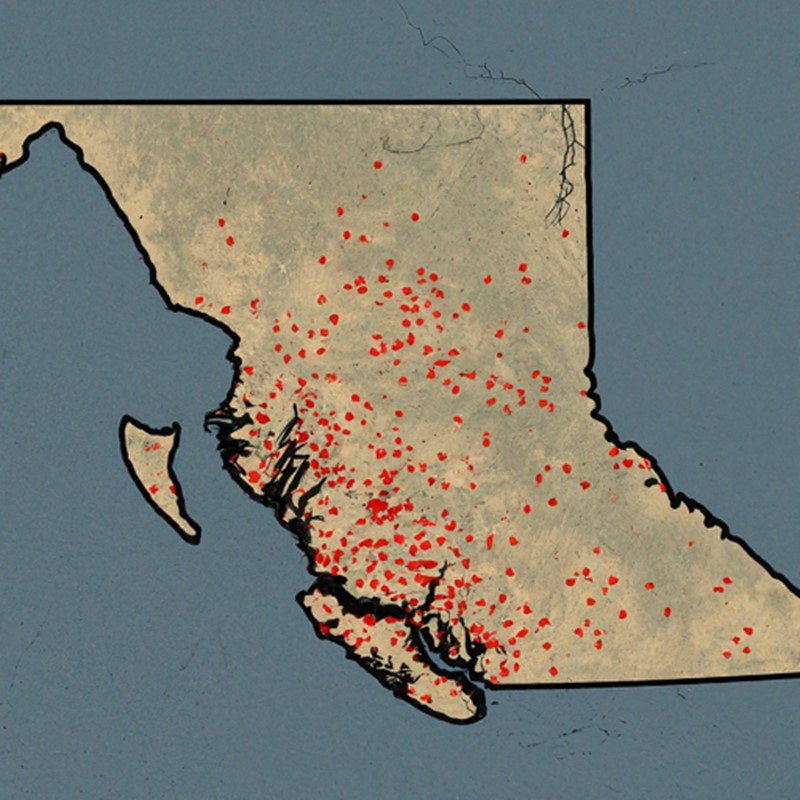
British Columbia has a well-documented history of wildfires. Analyzing historical data on wildfire occurrences is instrumental in understanding past trends and predicting potential future risks. This knowledge empowers emergency management teams to develop targeted mitigation plans and prepare for potential threats.
Data Source:
The following information is based on data retrieved from the British Columbia Wildfire Service website: https://www2.gov.bc.ca/gov/content/safety/wildfire-status
Frequency:
The number of wildfires in BC fluctuates year to year. However, a concerning upward trend in wildfire occurrences has emerged in recent decades.
Intensity:
The area consumed by wildfires in BC is also demonstrating an upward trend. This signifies an increase in the overall destructive potential of wildfires within the province.
Affected Areas:
Wildfires can devastate entire landscapes, impacting forests, ecosystems, and communities. The social and economic consequences are severe, displacing residents and causing significant infrastructure damage.
Concerns of Residents:
Research by McCarthy et al. (2020) highlights the social and economic anxieties associated with wildfires. Residents living in the Wildland Urban Interface (WUI) zone, the area where human development meets undeveloped vegetation, experience a decline in property values and a sense of displacement due to the constant threat of wildfires.